


-
On October 18, 1929, the Persons Case marked a turning point in Canadian history. Discover how the Famous Five challenged gender discrimination and helped open the Canadian Senate to women.
-

The Qing Dynasty was the last imperial dynasty of China, originating from the Manchu Jurchens, and ruling China from 1644 to 1912. By the 1900s, the Qing Dynasty was in a very bad situation. Foreign and colonial invasions, uprisings by political opposition, economic issues, and the public demanding modernization and political reform. The Xinhai Revolution…
-

What if the D-Day landings had failed? Discover how a German victory in Normandy could have changed World War II, expanded Soviet influence across Europe and created a very different Cold War.
-
The Assassination That Started World War I, June 28, 1914 On June 28th 1914, Archduke Franz Ferdinand, who was next in line to the Hungarian throne, and his wife, Duchess Sophie of Hohenberg, were killed while visiting Sarajevo. The killer, Gavrilo Princip, was a 19-year-old member of a group called Young Bosnia that wanted independence.…
-
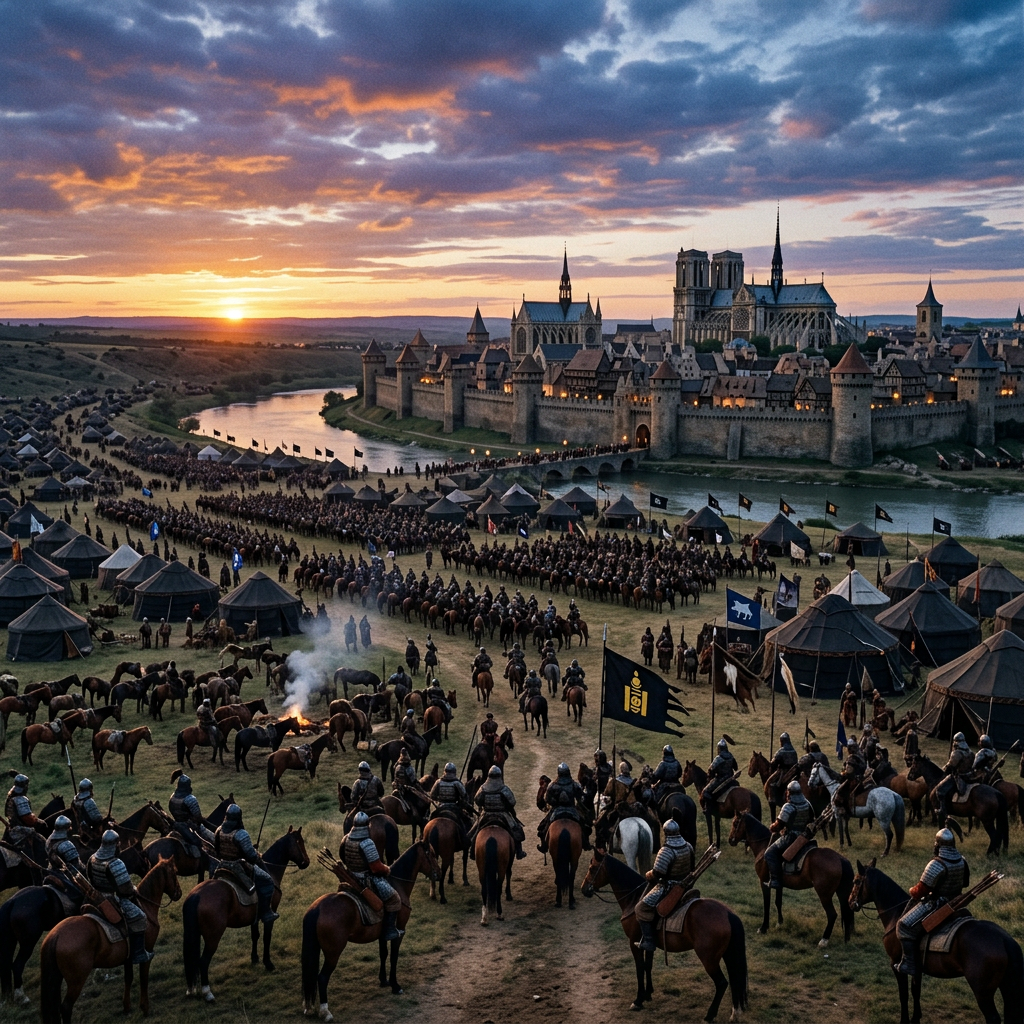
What if the Mongols Conquered Western Europe? The Mongol Empire was really big. It was the land empire ever. In the century Mongol armies moved across Asia, the Middle East and Eastern Europe. They beat some powerful states. By 1241 they had beaten the armies of Poland and Hungary. They seemed ready to move into…
-
The Battle of Waterloo and the End of Napoleon, June 18, 1815 The Battle of Waterloo, fought on June 18, 1815, was one of the most important battles in European history. It was fought near the present-day Belgian border and ended the Napoleonic era that had defined the political map of the European continent for…
-
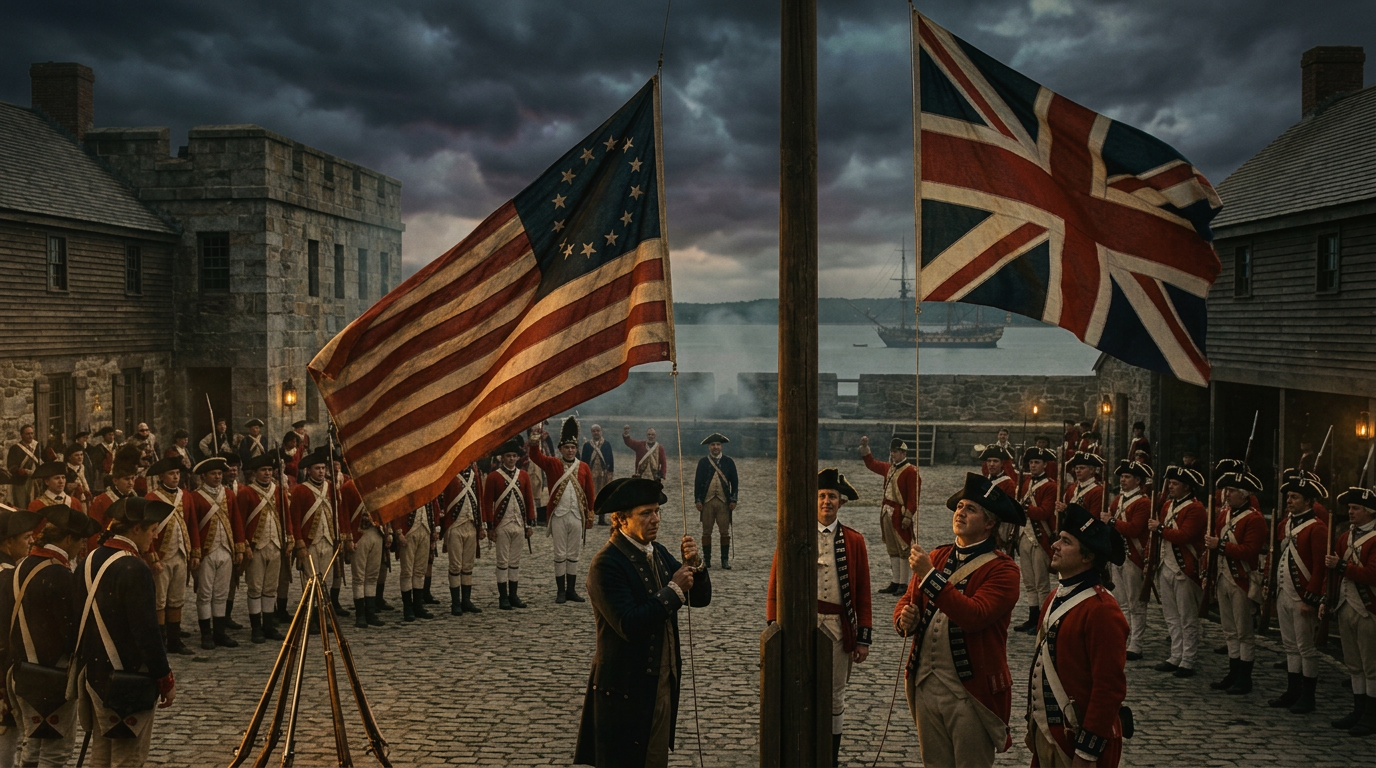
What if the American Revolution failed? The American Revolution (1775-1783) resulted in the secession of the Thirteen Colonies from Great Britain, establishing the United States of America. This revolution has inspired generations of political reformers and revolutionaries worldwide. In this essay, let’s consider what would have happened if events had unfolded differently and Britain had…
-
The Mysterious Death of the King of Bavaria On June 13, 1886, King Ludwig II of Bavaria was found dead in Lake Starnberg near Munich. Ludwig II, Ludwig Otto Friedrich Wilhelm, ruled Bavaria from 1864 to 1886 and was known for his passion for art, music, and architecture. A devoted patron of the composer Richard…
-
June 6, 1944 – The Remarkable Normandy Landings That Opened the Road to Victory On June 6, 1944, Allied forces launched the largest amphibious landing operation in military history, known as D-Day or the Normandy landings. This operation is considered the beginning of the liberation of Western Europe from Nazi Germany’s occupation during World War…
-
18 May 1899 – The Hague Peace Conference of 1899 In 1899, the political climate in Europe was becoming increasingly dangerous. The accelerating arms race between major powers like Germany, Russia, France, and the United Kingdom in the late 19th century had created widespread fear of war across the European continent. At the invitation of…
-
7 May 1945 – German surrender in World War II On May 7, 1945, Nazi Germany surrendered to Allied forces in Reims, France. This agreement stipulated that all German military operations would cease by May 8, effectively ending World War II in Europe. This agreement marked the end of military conflict in Europe after a…
-
April 26, 1986,Chernobyl Disaster On the night of April 26, 1986, a safety test at the Chernobyl Nuclear Power Plant in Ukraine went out of control, resulting in one of the greatest nuclear disasters in history. Initially, the full extent of the event was not understood. Authorities tried to conceal the situation, but radiation continued…
-

History often turns on moments that feel almost accidental. One of the most famous is the assassination of Julius Caesar on the Ides of March in 44 BCE. But what if that never happened? What if Caesar survived, or the plot was discovered before it could unfold? The ripple effects would have reshaped not just…
-

As borders were redrawn in Central Europe after World War I, a surprising idea of unification briefly emerged: the merging of Romania and Hungary into a single state. This sounds crazy, but this was an actual proposal after WWI. The two states had been rivals for decades. So, how could this union benefit both countries?…
-

264–241 BC ( 23 Years) In theory, Carthage could have easily won the Punic War. The Carthaginians had full naval dominance over the Romans at the time, and if they put this advantage to use and went all out on mainland Italy by conducting naval invasions, they might have been able to achieve a quick…
-
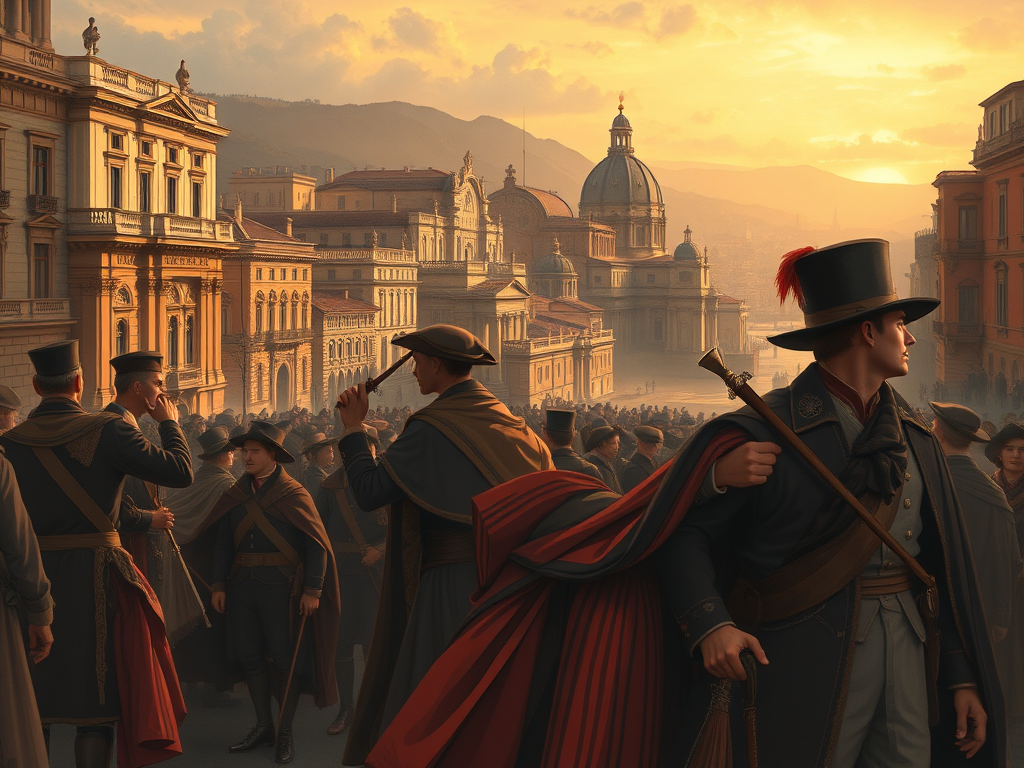
As we know in our timeline, the Italian peninsula was unified by and under the Kingdom of Sardinia-Piedmont, with the help of the French, in 1861. Although the Kingdom of Italy was proclaimed by then, the Papal States survived until 1871, controlling Rome and some surrounding cities, with the protection of French troops. But this…
-

Across the 1800s, the Ottomans had an important role to play in European politics—not necessarily due to their immense power, but because of the people they ruled over and their geopolitical location. The huge Russian Empire was feared across Europe, and its ambitious eyes often wandered toward the Ottomans, specifically for control over the Balkans…
-
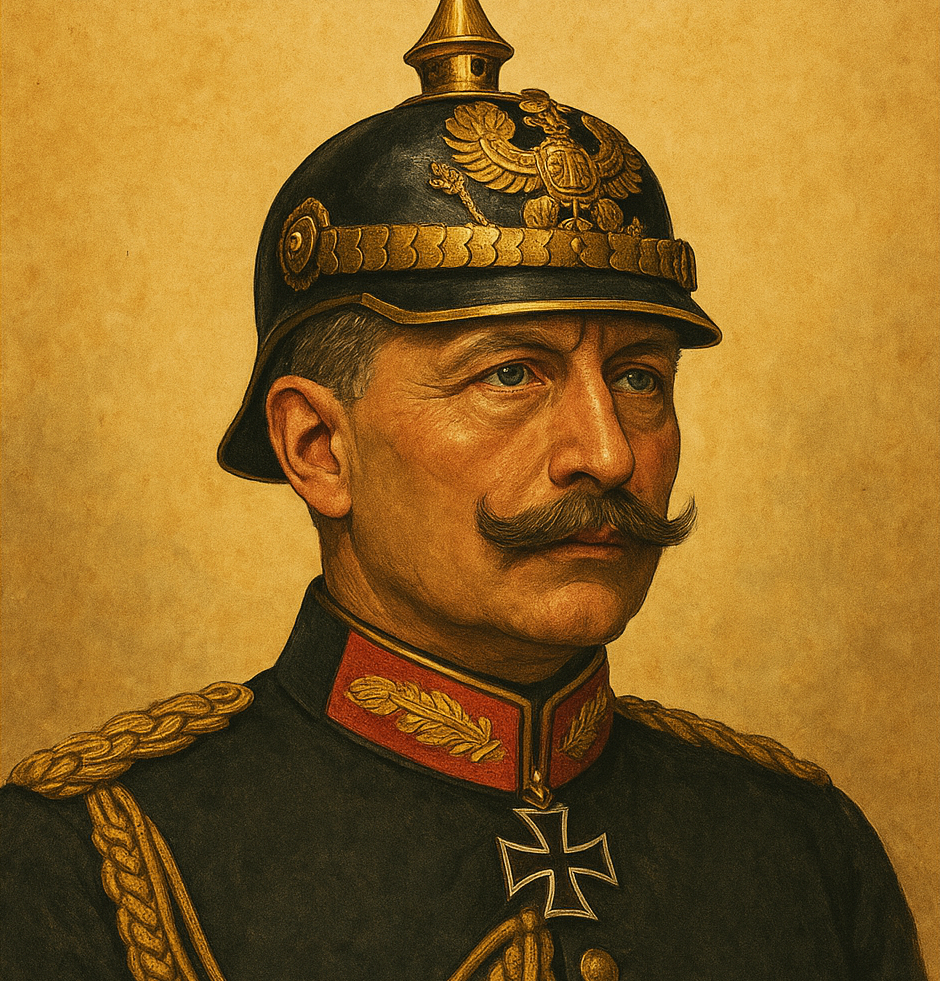
The National Socialist ambitions for a pan-German state had already raised tensions between Germany and the Allies. The German Army saw a war with the Allies as unwinnable and had planned a coup against Hitler’s regime. This was known as the Oster Conspiracy, named after its mastermind, Hans Oster. For this plan to work, the…
-
The Thirty Years’ War (1618) The Austrian Empire had solidified its position in Central Europe as the ruling power of the Holy Roman Empire. It maintained long-standing rivalries with the Ottoman Empire and France, while Habsburg kings held important thrones in Spain, Hungary, Bohemia, Croatia, Portugal, the Netherlands, and several smaller kingdoms and principalities in…